Details & Abstract
We hosted a talk on how turbulence affects the escape of radiation from star-forming regions. The session explored its implications for galaxy evolution and the early universe.
What Happened
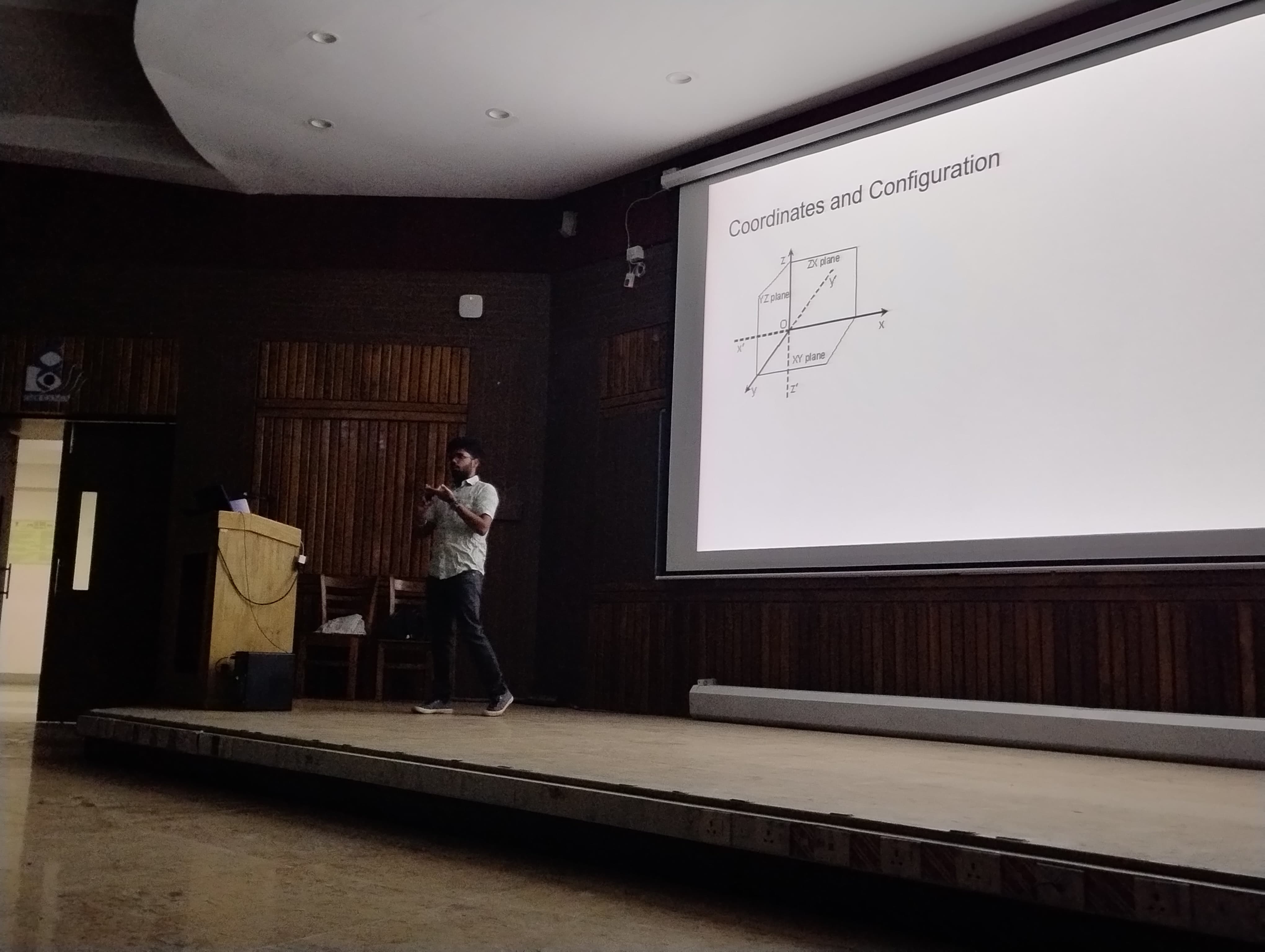
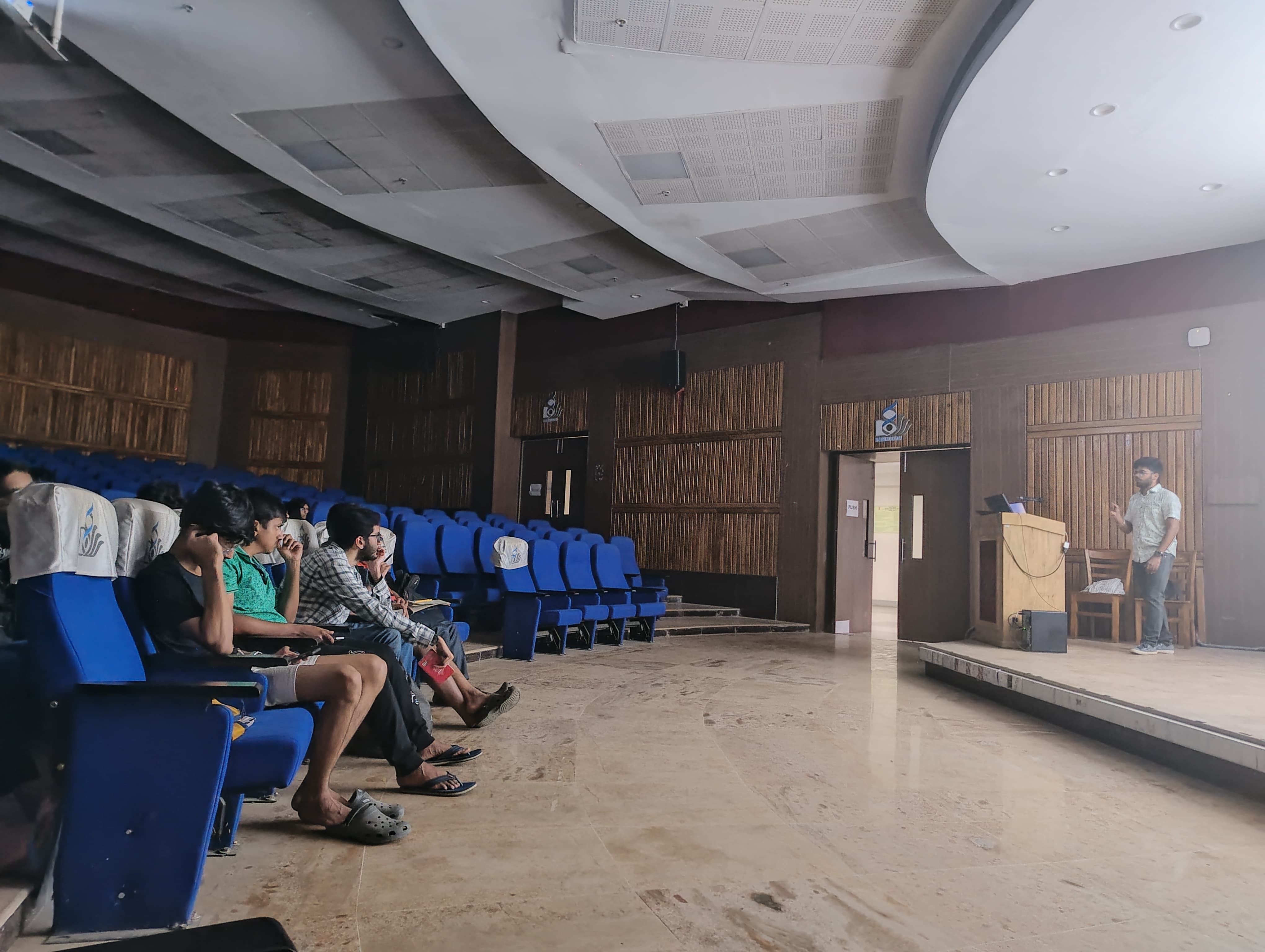
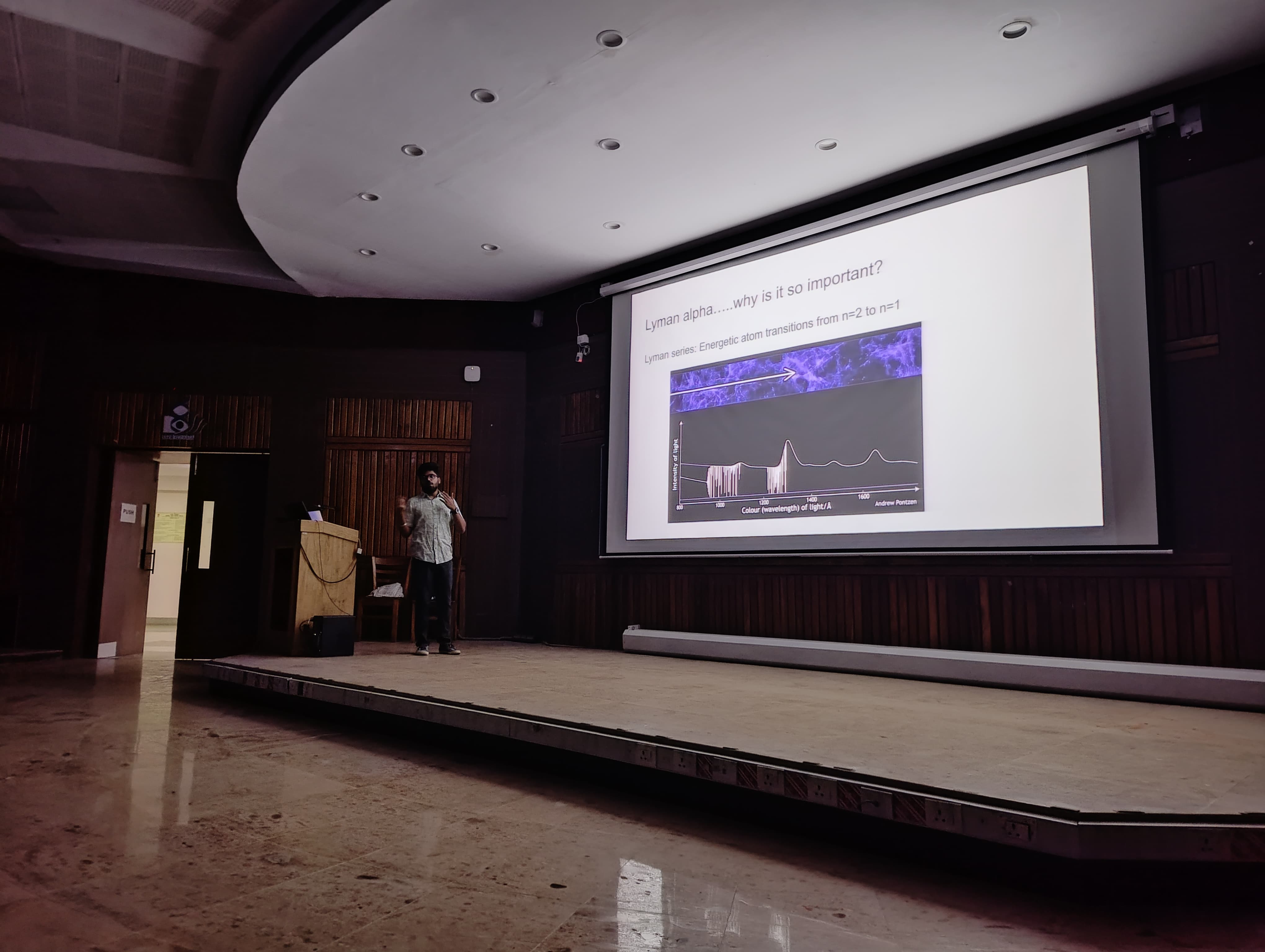
Singularity hosted a fascinating talk by student Sai Dhavala Srinivas, who delved into the complex interplay between turbulence and the escape fraction of light in star-forming regions. Sai's presentation addressed a critical aspect of astrophysics: how the chaotic motion of gas and dust within these regions influences the ability of radiation, particularly ionizing photons, to escape and contribute to the reionization of the universe. He explained the theoretical models and simulations used to study this phenomenon, highlighting the impact of turbulent velocity fields, density fluctuations, and the morphology of star-forming regions on the escape fraction. The talk sparked insightful discussions about the implications of these findings for our understanding of galaxy evolution and the early universe. Sai's research provided a valuable perspective on the intricate physics governing the radiative transfer in these dynamic environments.

Speaker / Author
Sai Dhavala Srinivas, a second-year PhD student at the Institute of Cosmology and Gravitation. He is actively working on the analysis of galaxy spectra and other morphological properties using Machine Learning algorithms. He is interested in simulations, multi-wavelength observations, and coding algorithms. He was a BS-MS student at IISER Kolkata.
Photos